A leaking metal roof in Kuching is often treated as a simple sealing job: find the drip, apply sealant, wait for the next rain. The problem is that metal roofs rarely leak in only one obvious way. Water can enter at screws, laps, ridge caps, gutters, wall flashings or old coating cracks, then travel along purlins before appearing indoors. Before approving any Kuching metal roof waterproofing repair, the important question is not “Which product can stop the leak today?” It is “What condition is the roof actually in, and what type of repair can still perform under that condition?”
The Indoor Leak Point Is Not Enough Evidence
The first mistake is assuming the water entry point is directly above the ceiling stain or dripping area. On a metal roof, water can run along panel ribs, underside condensation paths, insulation, wiring trays or structural members before it becomes visible inside the building.
This matters because a contractor may seal the area above the stain while the actual entry point remains higher up the roof slope. During the next wind-driven rain, the leak appears again and the repair is blamed on the material, even though the source was never confirmed.
For metal roof leakage, the inspection should start from the roof surface, not only from inside the room. The repair decision should identify whether the water is entering through a local defect, a repeated fastening issue, a failed flashing detail or a wider roof surface problem.
For Kuching metal roof waterproofing, the repair should be based on roof condition, not only the visible drip location. Fasteners, panel laps, flashings, gutters, rusted areas and old coating adhesion should be checked before choosing between local sealing, coating renewal or sheet replacement. Otherwise, the repair may only cover the symptom.
Check Fasteners, Washers and Panel Laps Before Coating the Roof
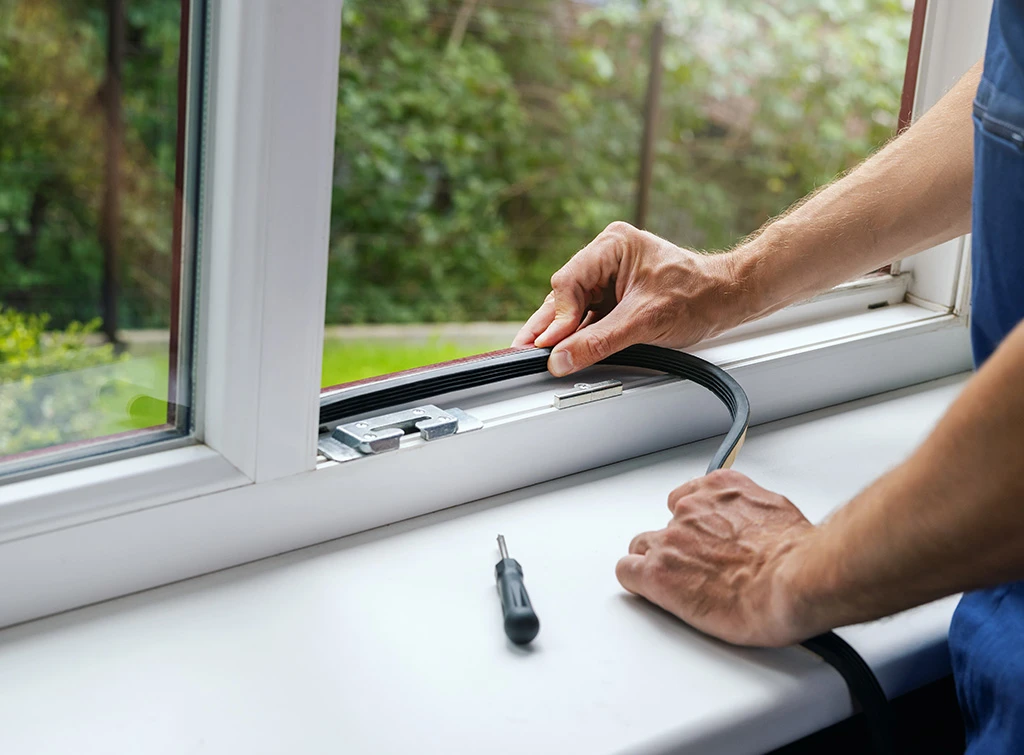
Many metal roof leaks start at small details rather than the middle of a roof sheet. Screws may loosen as panels expand and contract. Rubber washers can harden, crack or lose compression. Around penetrations and end laps, old sealant may split because it cannot handle repeated movement.
These defects are often small, but they are important because coating the whole roof without addressing them may only hide weak points temporarily. If fasteners are loose, the roof sheet can still move. If washers are already degraded, water can continue entering around the screw head. If lap joints are contaminated or poorly bonded, coating over them may not create a durable seal.
Before repair, the inspection should pay attention to:
screw heads, missing screws, tilted screws and deteriorated washers
side laps, end laps and ridge cap joints
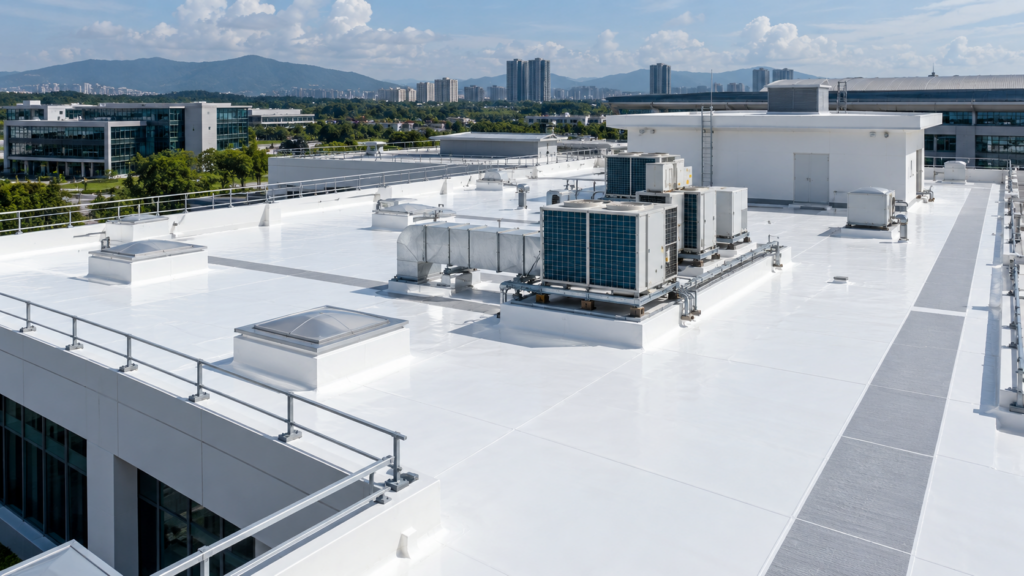
pipe penetrations, vents, skylight frames and roof-mounted equipment
parapet wall flashings and junctions between metal roofing and masonry
gutter edges, valley gutters and overflow-prone areas
These checks help separate a detail repair from a full waterproofing renewal. If the leakage is mainly from a few defective screws or penetrations, local treatment may be reasonable. If similar defects appear across the roof, a broader waterproofing approach may be needed.
Rust and Old Coatings Change What Repair Is Suitable
A metal roof does not only need to be watertight; it must also provide a stable surface for the waterproofing material. Rust, chalking paint, powdery coating, oil contamination and loose previous repairs can prevent proper adhesion.
This is where many roof repairs fail. A waterproof coating may be applied, but if it is bonded to weak rust, flaking paint or dirt rather than sound metal, the failure occurs at the substrate layer. The product may peel together with the old surface beneath it.
Rust should be assessed by severity. Light surface rust may be treatable with proper cleaning and preparation before coating. Deeper corrosion, pinholes or severely thinned sheets may require sheet replacement or metal repair before waterproofing. If the panel is structurally weak, coating alone should not be expected to restore its strength.
Old coatings also need to be checked carefully. If a previous roof coating is still firmly bonded, compatible recoating may be possible after preparation. If it is blistering, peeling or trapping moisture, applying another layer on top can create a thicker but less reliable system.
Kuching Weather Affects Timing, Drainage and Drying Conditions
Kuching’s rainfall pattern affects metal roof waterproofing in a practical way: repair work must be planned around surface dryness, safe access and curing time. This is not just a scheduling issue. Many waterproofing coatings and sealants need a clean, dry and stable substrate to bond properly. If rain returns before the material has cured sufficiently, adhesion and film formation may be affected.
Drainage also deserves attention. A metal roof is designed to shed water quickly. When gutters are undersized, blocked or poorly sloped, water can back up under laps, overflow into fascia areas or pond in valley gutters. In those cases, waterproofing the roof sheet alone does not remove the water load on the weak detail.
The inspection should therefore include the water path after rainfall: where water flows, where it slows down, and where it can overflow during heavy rain. A roof that leaks only during intense rain may have a drainage or wind-driven rain issue rather than a simple hole in the roof sheet.
For commercial or industrial buildings, repair timing may also be linked to operations. Work may need to be staged to avoid disrupting tenants, equipment, storage areas or production. This can influence whether the best approach is localised detail repair first, followed by planned coating renewal during a longer dry window.
Decide Between Local Repair, Recoating and Sheet Replacement
There is no single “best” metal roof waterproofing repair for every Kuching property. The right method depends on what the inspection reveals.
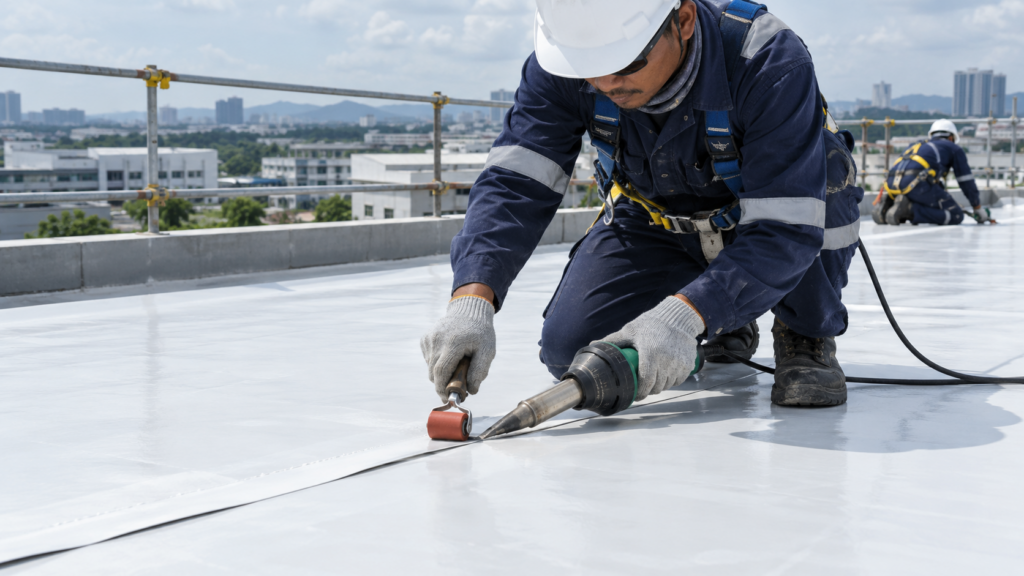
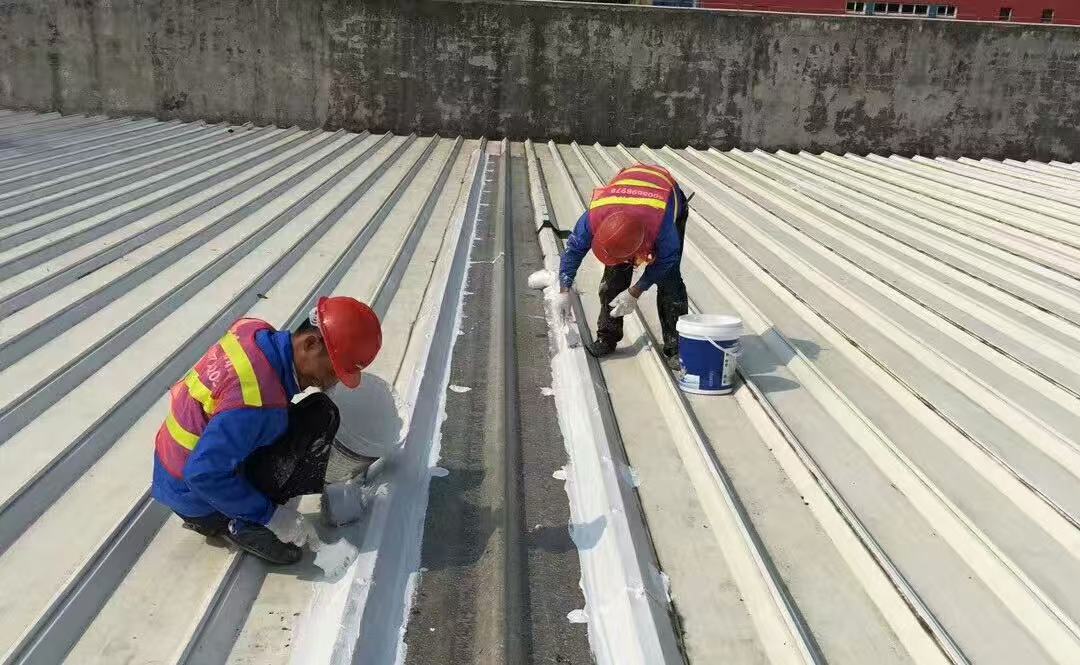
Local repair may be suitable when the roof is generally sound and the leakage is traced to isolated fasteners, minor laps, small penetrations or short sections of failed sealant. In this situation, products such as waterproof sealant, joint tape or detail treatment may be used as part of the repair, subject to compatibility with the roof surface.
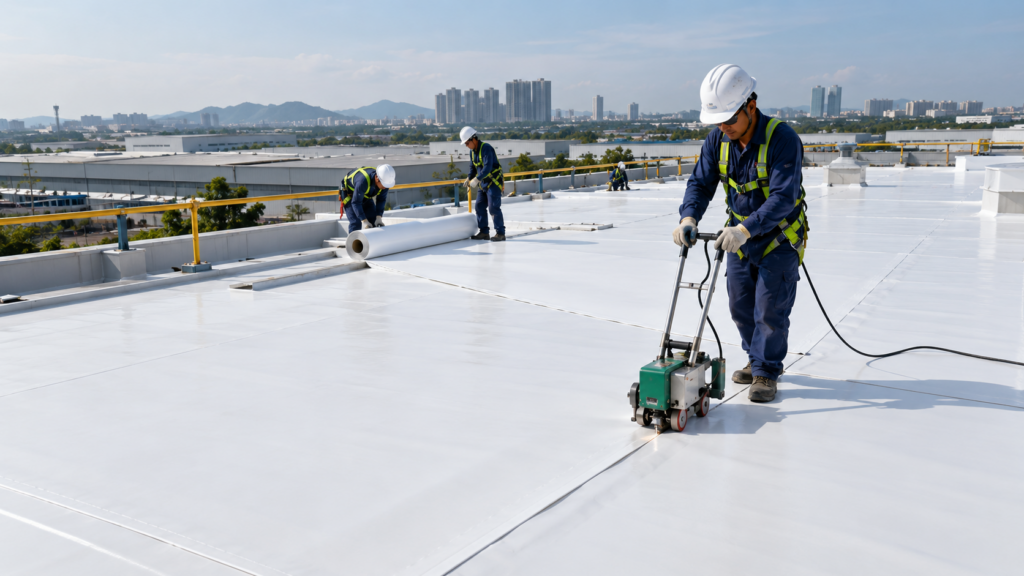
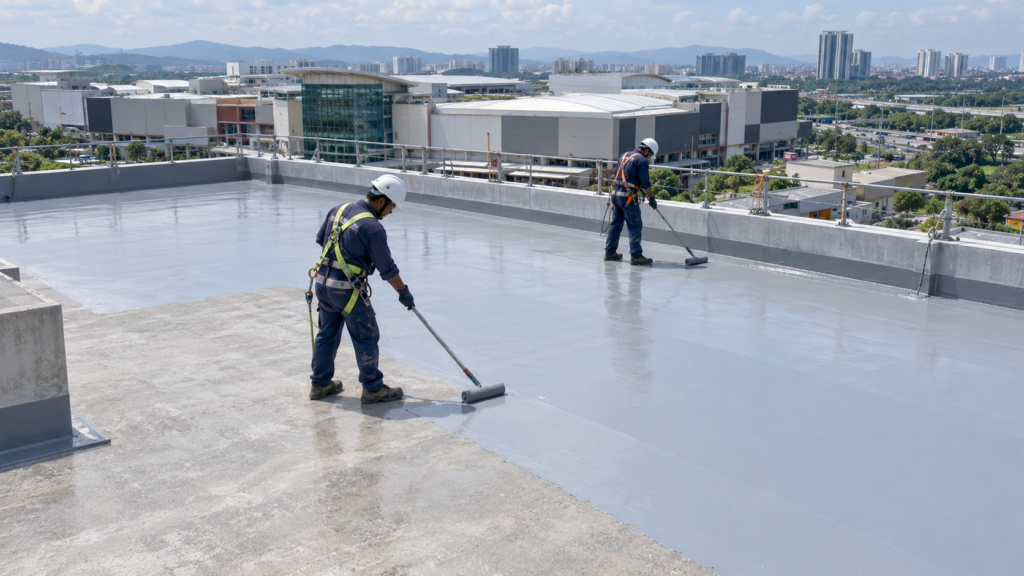
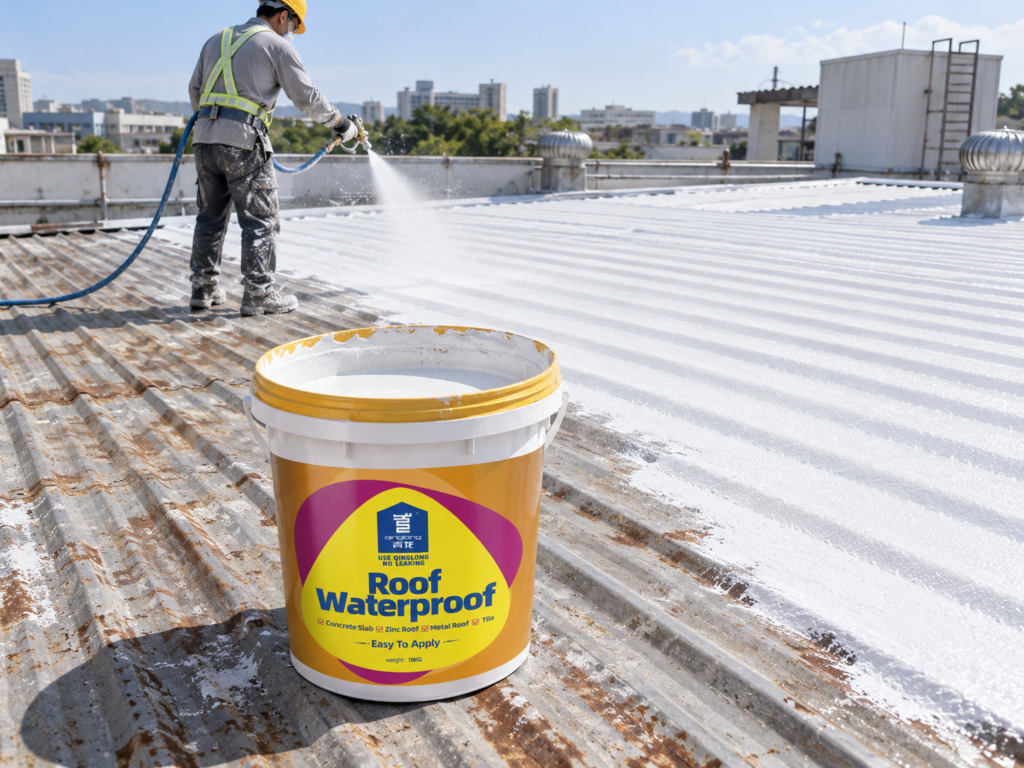
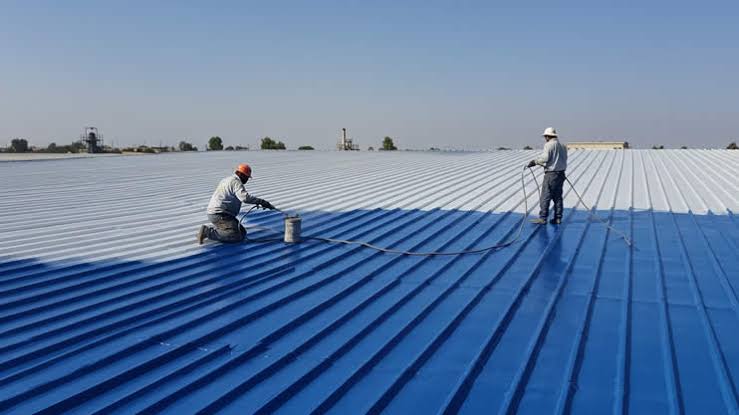
Recoating may be suitable when the metal roof surface is still structurally sound but the existing protective layer has aged, minor waterproofing weaknesses are widespread, or many small details need to be treated as one roof system. A roof coating such as QingLong’s QL-Roofing Waterproof Coating may be considered where the substrate condition, preparation method and exposure are suitable.
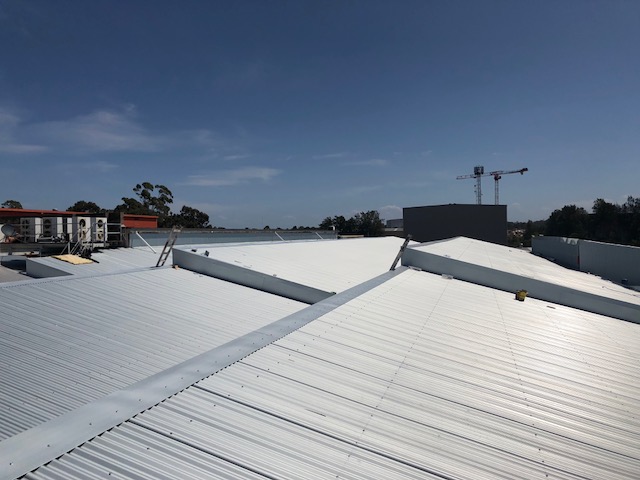
Sheet replacement should be considered when panels are badly rusted, deformed, punctured, loose or too weak to provide a reliable base. Waterproofing material should not be used to compensate for metal sheets that have reached the end of their serviceable condition.
The practical difference is this: local repair treats a defect, recoating renews a surface system, and sheet replacement removes a failed substrate. Choosing between them without checking the roof condition can lead to unnecessary cost or short-lived repair.
What to Confirm Before Approving the Repair Scope
Before approving a metal roof waterproofing quotation, the building owner or property manager should confirm what the contractor has actually inspected. A useful proposal should do more than name a product. It should explain which roof details are failing and why the recommended method fits the roof condition.
Important points to clarify include whether loose fasteners will be tightened or replaced, whether rusted areas will be cleaned and treated, how old coating failure will be handled, and how laps, penetrations and flashings will be detailed. If the scope only says “apply waterproof coating” without substrate preparation or detail treatment, the proposal may be incomplete.
It is also worth asking whether the selected waterproofing material is intended for exposed roof conditions, whether it can tolerate expected movement, and what surface preparation is required according to the product specification. For metal roofs, adhesion and detailing are often as important as the coating itself.
QingLong Waterproofing manufactures and supplies waterproofing materials and provides waterproofing services for residential, commercial and industrial projects in Malaysia. For metal roof repair, the suitable approach should be matched to the roof’s substrate condition, leakage pattern and site constraints rather than selected by product name alone.
Conclusion
A metal roof leak in Kuching should not be repaired only from the place where water appears indoors. The repair should begin with the roof’s actual condition: fasteners, laps, flashings, gutters, rust, old coating adhesion and drainage behaviour during rain. Once those details are clear, it becomes easier to decide whether the roof needs local sealing, system recoating or panel replacement.
If you need help assessing a leaking metal roof or selecting a suitable waterproofing approach, you can contact QingLong Waterproofing to discuss the site condition and repair requirements.