A window leak in Kota Kinabalu often looks simple from inside the room: a damp patch below the frame, water tracking along the wall, or bubbling paint after a strong rain. The repair price, however, is rarely based only on the size of the window. For many properties near exposed roads, hill slopes, coastal zones or high-rise façades, rain can be pushed sideways into weak joints that would stay dry in calmer weather. Before asking for a quote, the more useful question is: what must be accessed, opened, cleaned, sealed or waterproofed for the repair to last?
The Price Is Not Just for “Sealing the Window”
For window leakage repair in Kota Kinabalu, the cost usually depends on the leak path, access method, surface condition and repair scope, not only on the number of windows. A small window on a landed house may be straightforward if the external joint is reachable. The same-sized window on a condominium façade may cost more because access, safety control and management approval become part of the work.
Many owners first expect a simple bead of sealant around the frame. Sometimes that is enough, especially when the old sealant has separated cleanly from the aluminium frame or wall. But if water is entering through cracked plaster, porous external wall coating, hollow render, gaps behind the frame, or poorly sloped sill details, surface sealing from the inside may only hide the problem temporarily.
A proper quotation should therefore reflect the site condition. If a contractor gives one fixed price without checking whether the leakage comes from the frame joint, sill, wall crack, drainage slot or upper façade, the price may look attractive but still miss the real work required.
Access Can Change the Budget More Than the Window Size
In Kota Kinabalu, many apartments and commercial buildings have windows facing open exposure where rain hits the façade directly. If the leak source is on the exterior side, repair access becomes a major cost factor.
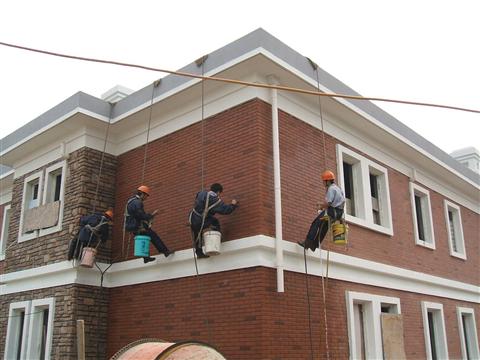
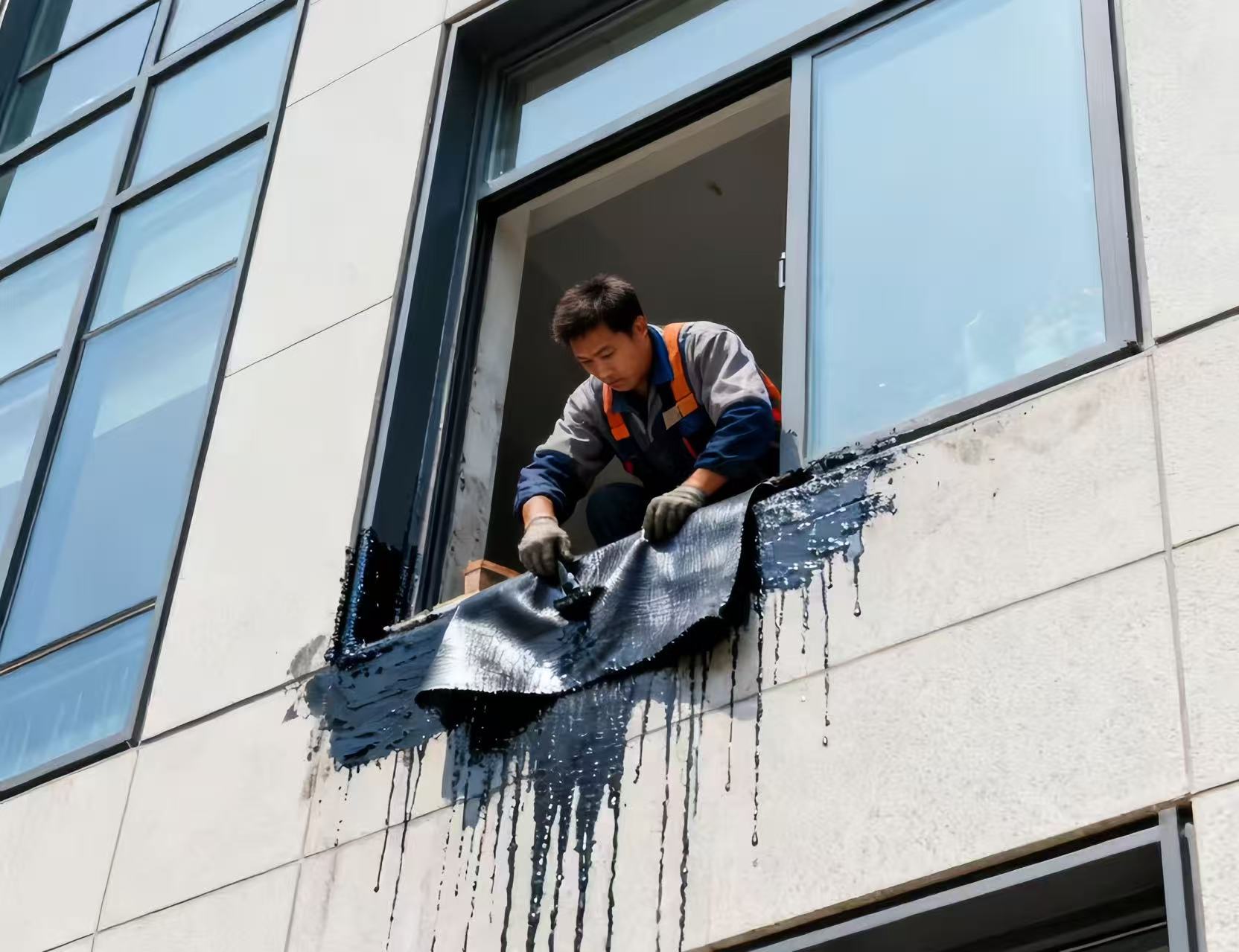
For landed houses, the worker may be able to reach the window from a porch roof, ladder, balcony or temporary platform. For higher floors, the method may involve gondola access, rope access, scaffolding, boom lift or coordination with building management. Each option affects manpower, safety preparation, approval time and working hours.
The repair may also be restricted by the building’s rules. A condominium management office may require work permits, insurance documents, approved access hours, protection of common areas and prior notice to neighbours. These administrative steps do not directly waterproof the window, but they influence how the job is planned and priced.
A useful way to look at the quotation is this: the contractor is not only pricing the sealant. The contractor is pricing safe access to the actual water entry point. If the outside joint cannot be reached properly, the cheapest repair may become the least effective one.
The Leak Path May Be Wider Than the Frame Joint
A visible stain below a window does not always mean the frame itself is the only problem. Water can travel sideways or downwards inside plaster, behind tiles, through façade cracks or along embedded conduits before appearing indoors. This is why the investigation stage matters.
For example, water marks at the lower corner of the window may point to failed perimeter sealant. But if the external wall above the window has hairline cracks, weak paint film or open plaster joints, rainwater may enter above the frame and exit at the corner. In another situation, blocked drainage holes in the aluminium track can cause water to overflow indoors even when the outer wall is still sound.
The price changes when the work expands from “reseal the frame” to “treat the surrounding wall and window interface.” This may include cleaning out old sealant, removing loose plaster, applying a compatible waterproof coating, sealing wall-frame junctions, treating cracks or improving drainage details.
Short answer: window leakage repair costs more when the defect is not limited to the visible frame joint. If water is entering through the surrounding façade, sill, render or upper wall, the repair must cover a wider waterproofing zone. A narrow sealant job may be cheaper upfront, but it may not address water travelling behind the surface.
Existing Materials Affect Preparation and Product Choice
Two windows with the same leak can require different preparation depending on the materials already on the wall. A clean painted wall is very different from a wall with old silicone smears, powdery paint, salt deposits, hollow plaster or previous waterproofing layers.
Sealant and coating performance depends heavily on adhesion. If the old material is not removed properly, new sealant may stick to the old failed layer instead of the actual wall and frame. If the plaster surface is dusty or damp, coating may blister or peel. If there is trapped moisture behind an impermeable layer, the repair may need drying time or a different approach.
The selected material also affects cost. A flexible window-grade sealant may be suitable for movement between aluminium and wall. A transparent waterproof coating may be considered when the owner wants to retain the appearance of certain surfaces. A cement-based or elastomeric waterproofing system may be needed when the adjacent wall or sill requires broader protection.
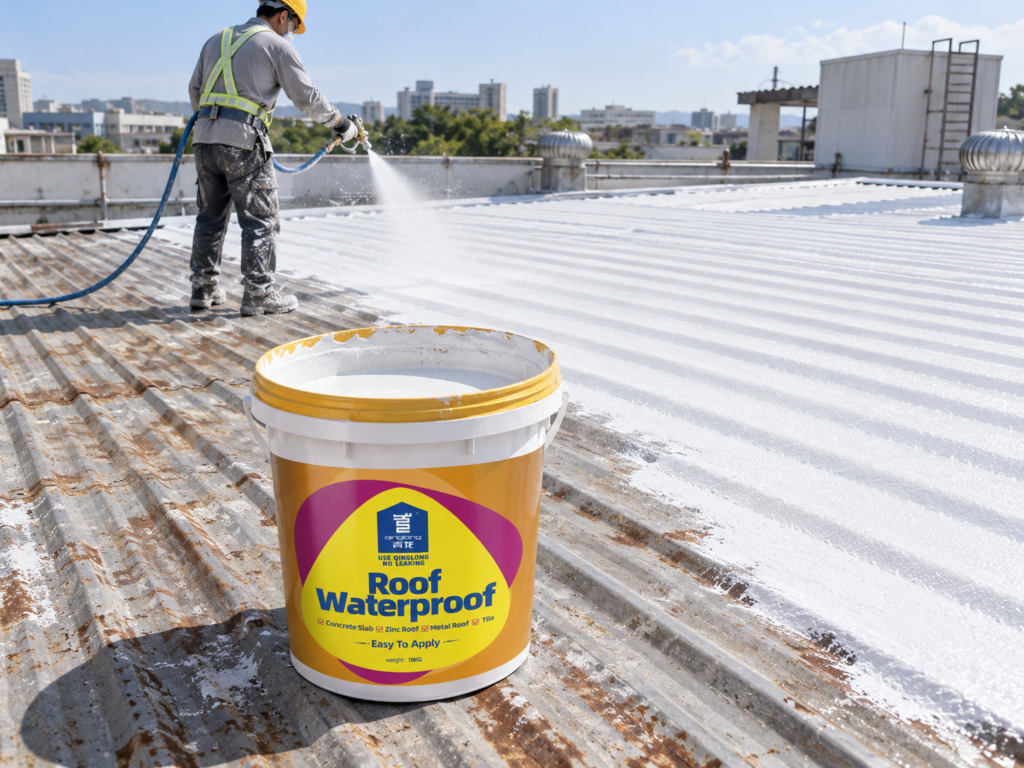
QingLong Waterproofing supplies different waterproofing products for various building conditions, including sealants, transparent coatings, exterior wall waterproofing materials and cement-based systems. The suitable choice still depends on the substrate, exposure and repair area. Not every product is suitable for every window leak, especially if the surface is contaminated, unstable or constantly wet.
Internal Repair May Be Cheaper, but It Has Limits
Some owners prefer internal repair because it avoids external access cost. In certain cases, internal sealing can reduce water entry or control minor seepage at accessible joints. It may be practical for temporary control, rental units, or situations where management approval for external work will take time.
But internal repair has a limitation: it may stop water from appearing inside without stopping water from entering the wall. If rainwater continues to penetrate from outside, moisture may remain trapped within the plaster or frame cavity. Over time, this can lead to peeling paint, mould smell, swollen timber finishes or repeated staining.
External repair normally targets the water entry side. It may cost more because of access and surface preparation, but it is often the better direction when the defect is clearly on the outer façade, sill or frame perimeter. For high-rise units, the practical decision is not simply “inside or outside”; it is whether the chosen side can actually reach the failure point.
A careful assessment should separate three possibilities:
The leak can be solved from inside because the defect is internal and accessible.
The leak needs external sealing or waterproofing because rain is entering from the façade side.
Both sides need attention because the frame, wall and internal finishes are already affected.
What a Fair Quotation Should Clarify
A fair quotation for window leakage repair should help the owner understand what is included and what remains uncertain. A low price with vague wording can lead to disagreement later if the leak source is wider than expected.
Before approving the work, check whether the quotation states the repair area, access method, preparation work, material type and limitation of scope. For example, “seal window” is too broad. More useful wording would identify whether the contractor is removing old sealant, treating cracks around the frame, waterproofing the sill, applying coating to the adjacent wall, or testing drainage tracks.
It is also worth asking whether the quotation includes reinstatement of damaged paint or plaster. Waterproofing work and cosmetic finishing are related, but they are not always the same trade or price item. If the wall is already damp, painting too early can cause peeling even after the leak is controlled.
For property managers and commercial owners, timing can also affect price. Work outside normal hours, difficult access scheduling, tenant coordination and repeated visits after rain testing can add to the overall cost. These are not “hidden charges” when explained clearly; they are project constraints that should be visible before work starts.
Conclusion
The cost of window leakage repair in Kota Kinabalu depends on what must be reached and corrected, not just what can be seen from inside the room. A stain below the frame may need simple resealing, but it may also point to façade cracks, sill defects, drainage problems or failed previous repairs. The most important price factor is whether the repair scope matches the actual route of water entry.
If you are comparing quotations, look beyond the lowest number and ask what the contractor has confirmed on site. For a practical recommendation based on your window condition, façade access and repair constraints, you may contact QingLong Waterproofing to discuss the leakage issue.
 Frequently Asked Questions (FAQs)
1. Why do window leak repair prices vary so much between units?
Prices vary because access, height, wall condition, repair scope and management requirements differ. Two similar windows can have very different costs if one needs external façade access.
2. Can a window leak be repaired from inside only?
Sometimes yes, especially if the defect is at an accessible internal joint. If rainwater enters from the outside wall or frame perimeter, internal sealing may only be a temporary control.
3. Does old sealant need to be removed before resealing?
In most lasting repairs, failed or loose sealant should be removed so the new material can bond to a clean surface. Applying new sealant over weak old material often reduces adhesion.
4. Will waterproof coating around the window solve the leak?
It may help if the surrounding wall or sill is allowing water ingress, but coating alone may not solve blocked drainage tracks, frame gaps or movement joints. The leak path should be checked first.
5. Should I repair one leaking window or all similar windows?
If only one window is affected by a local defect, targeted repair may be enough. If several windows share the same ageing sealant, exposed façade condition or installation detail, a wider scope may be more practical.