A commercial roof in Kota Kinabalu rarely fails in one neat, visible spot. A ceiling stain may appear above a shop lot, while the real entry point sits around a roof outlet, parapet wall, old coating edge, metal roof fastener or rooftop equipment plinth. This is why two waterproofing quotations for the same building can look very different. The price is not only about the roof area. It depends on what the contractor is being asked to solve, what remains uncertain, and how much preparation is needed before any waterproofing system can perform properly.
The Existing Roof Condition Often Affects Price More Than Roof Size
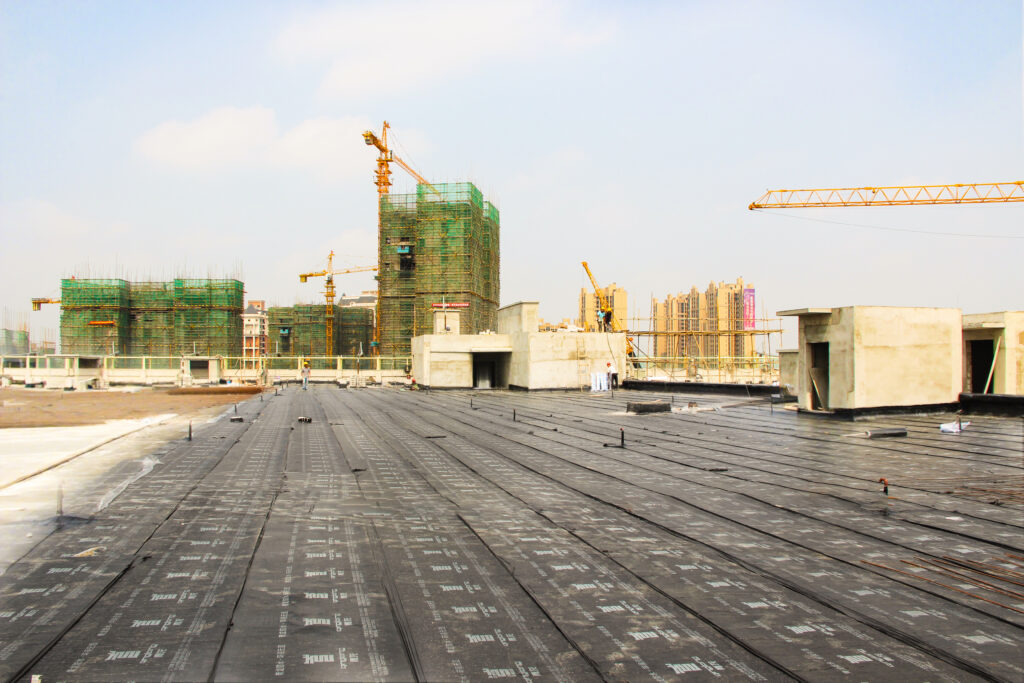
For Kota Kinabalu commercial roof waterproofing, the first cost driver is the condition of the existing roof surface. A large roof that is clean, stable and accessible may be simpler to treat than a smaller roof with ponding water, loose screed, multiple previous coatings and many roof penetrations.
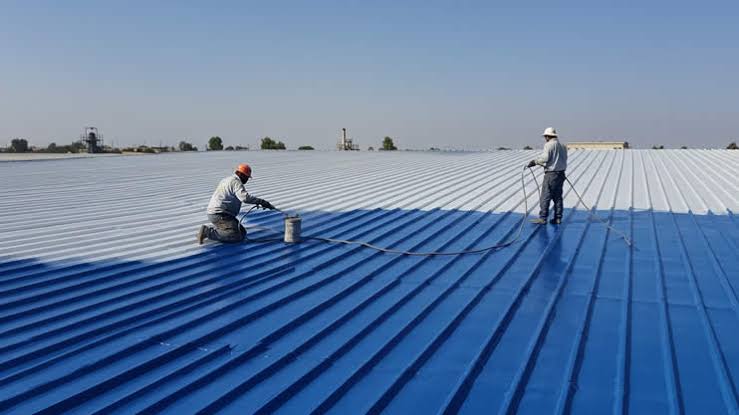
On concrete roofs, the inspection should check whether the screed is sound, whether cracks are active, whether water is trapped below old coatings, and whether the drainage falls still direct water towards outlets. If the surface has hollow areas, soft patches or debonded coating, applying another layer over it may only transfer the weakness into the new system.
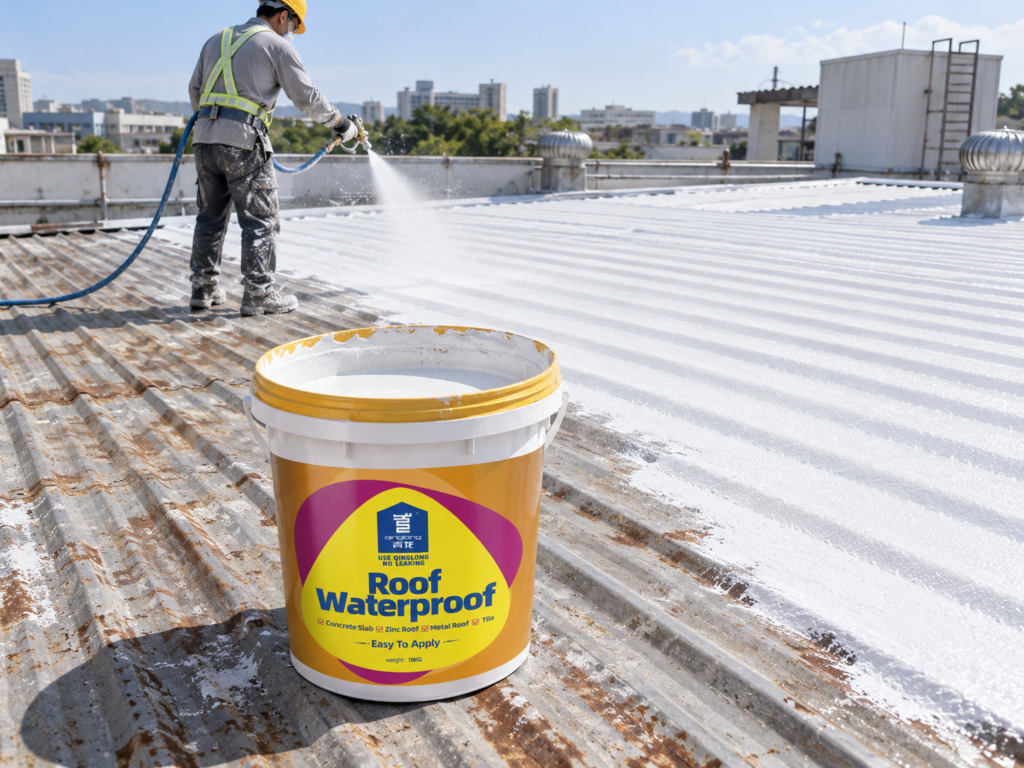
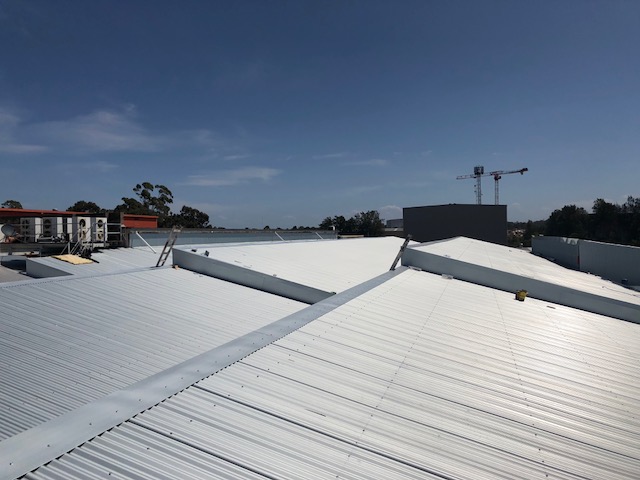
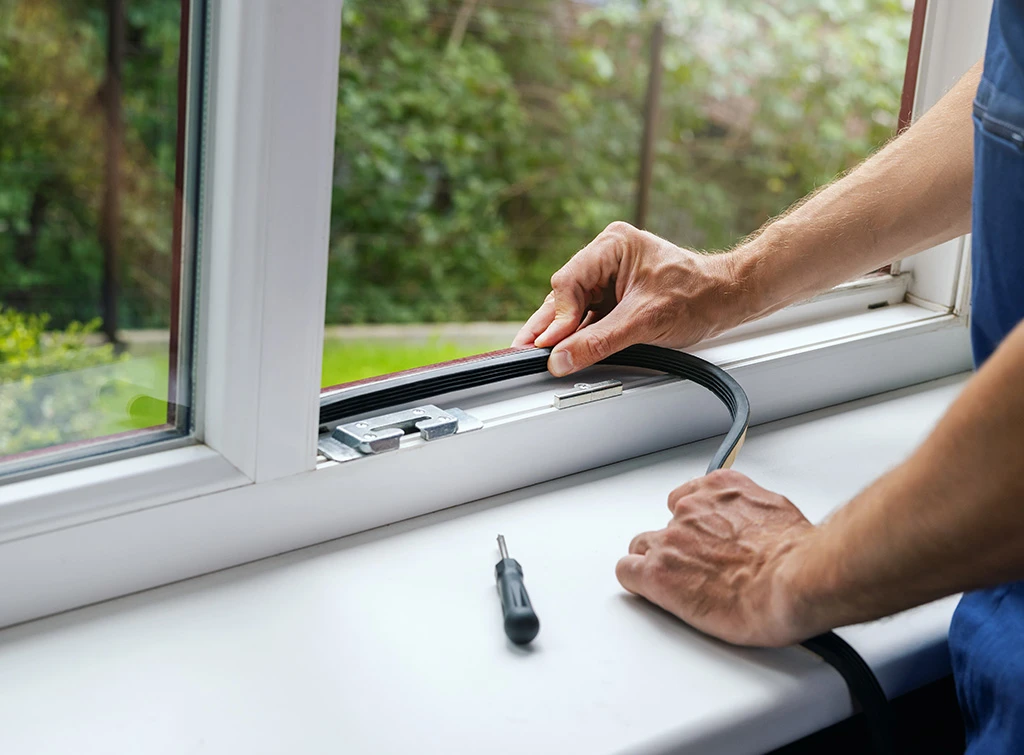
On metal roofs, the pricing logic is different. The concern is often fasteners, laps, rusted panels, sealant deterioration and movement at joints. A quotation that only allows for coating the broad metal sheets may miss the more time-consuming work around screw heads, end laps, gutters, ridge caps and penetrations.
A commercial roof waterproofing price is mainly affected by roof condition, preparation work, detailing complexity, access, system choice and operational constraints. The cheapest quotation may exclude weak substrate removal, crack treatment, outlet detailing or rooftop equipment areas, which are often the parts that determine whether the repair lasts.
Leak Location Is Not the Same as Waterproofing Scope
One reason commercial roof quotations vary is that some are priced as leak patching, while others are priced as system renewal. These are not the same service.
If water is entering at one pipe penetration or a failed flashing detail, a focused repair may be reasonable. But if the roof has widespread coating failure, multiple ponding areas and repeated leaks in different zones, local patching may only move the problem to the next weak point.
A proper assessment should distinguish between:
• A single isolated defect,
• Several related defects along one roof detail,
• General waterproofing system ageing,
• Drainage-related failure,
• Leakage caused by movement and cracking.
This matters for price because the repair area may need to extend beyond the visible stain. Water can travel along the slab, insulation layer, screed interface or metal roof profile before appearing inside the building. For commercial properties, this uncertainty can affect tenants, stock, electrical rooms, office ceilings or equipment areas, so the repair scope should be based on evidence rather than the stain location alone.
The Waterproofing System Must Match the Roof Use
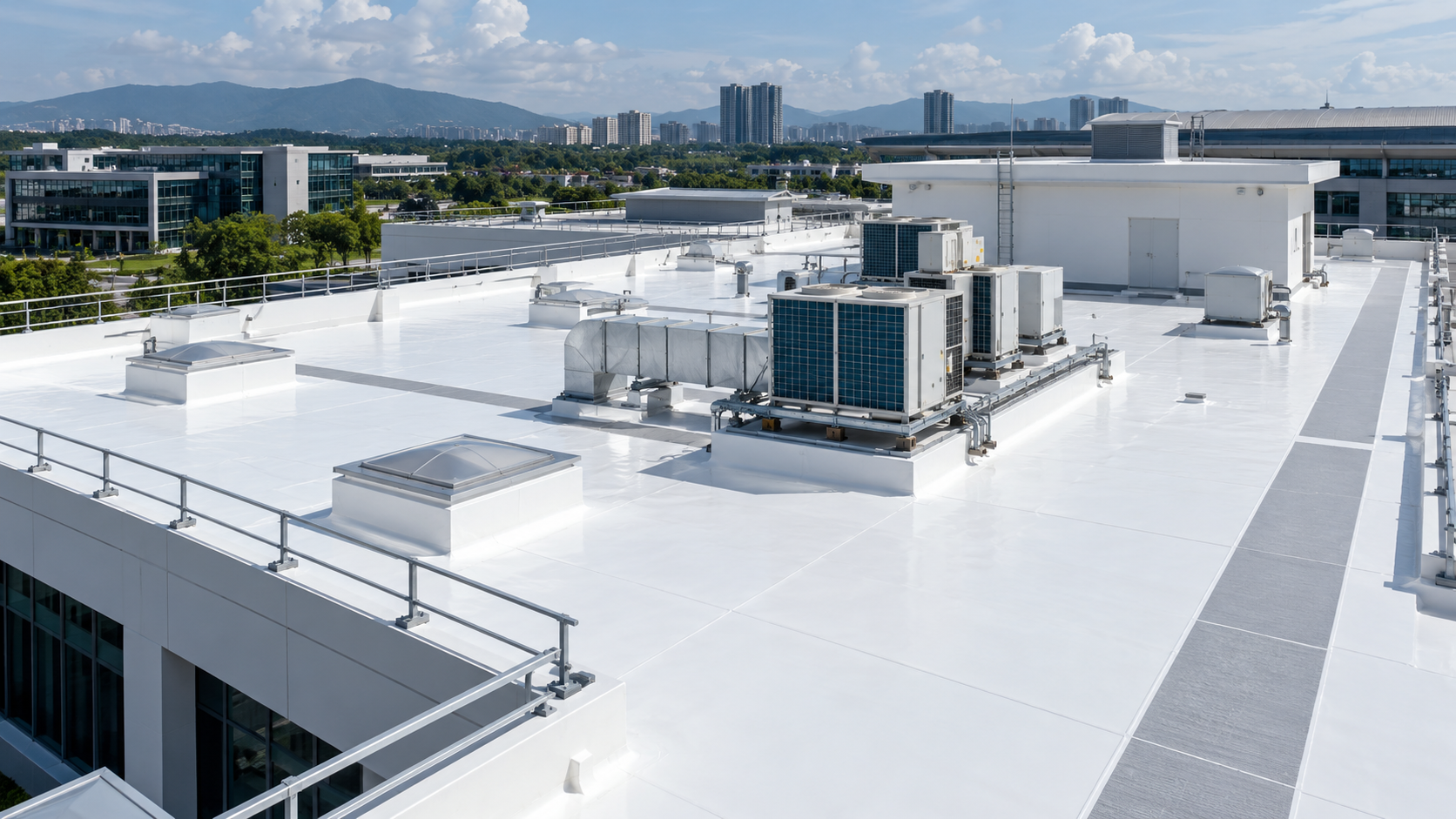
Not every roof needs the same waterproofing build-up. A commercial roof may be used only for maintenance access, or it may carry air-conditioning units, water tanks, solar equipment, exhaust systems, signboard supports or regular service traffic. These conditions affect both material selection and labour cost.
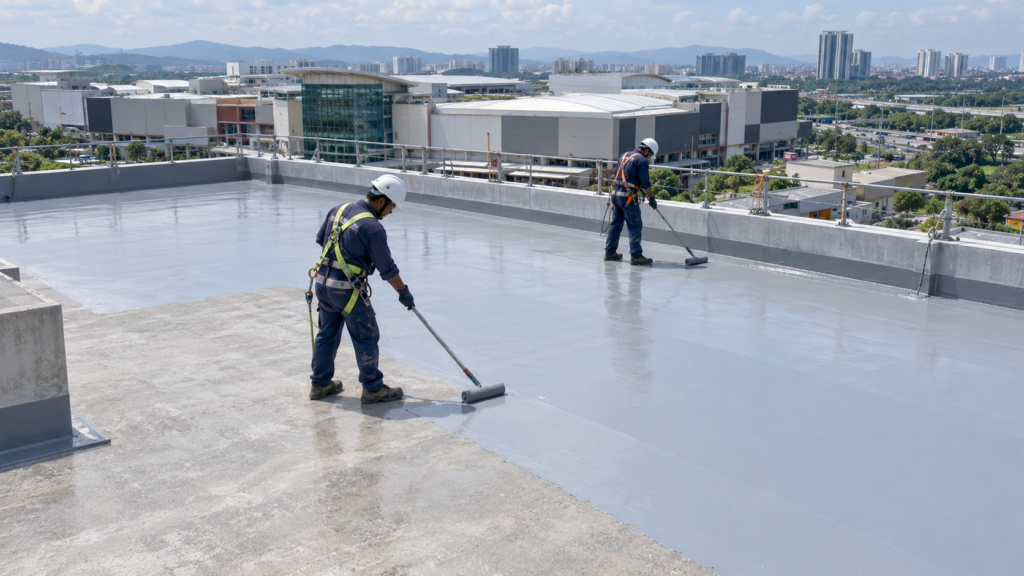
An exposed concrete roof needs a system that can handle UV exposure, standing water risk, movement at corners and maintenance access. If the final surface will remain exposed, the coating or membrane must be suitable as an exposed finish, not only as an under-layer below tiles or screed.
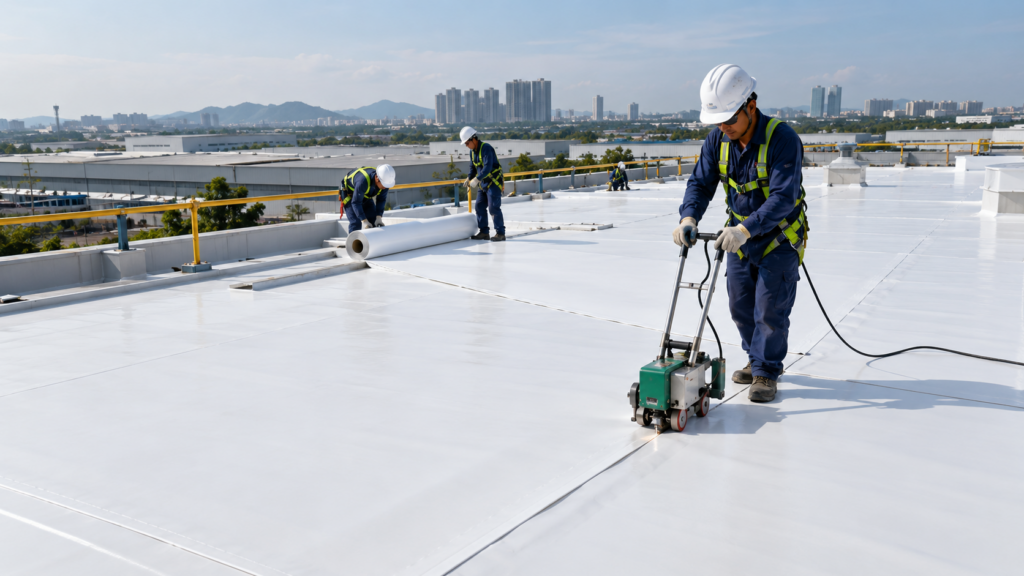
A roof with frequent foot traffic may need additional protection at walkway zones. A roof with many plinths and service pipes requires more detailing work because waterproofing failure often starts at edges, corners and terminations rather than in the open field area.
QingLong Waterproofing supplies and applies different waterproofing materials for roofs, exterior walls, joints and other building areas. For a commercial roof, product choice should be tied to the roof build-up, exposure condition and substrate, not selected only by brand name or coating thickness.
Detailing Around Parapets, Outlets and Penetrations Changes the Labour Cost
The most labour-intensive parts of a commercial roof are usually not the large flat areas. They are the details.
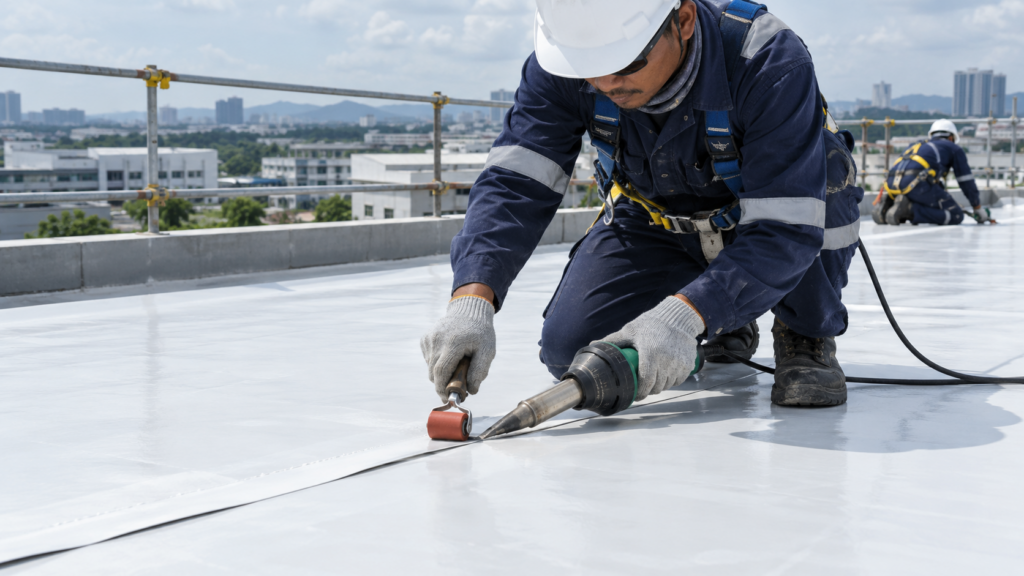
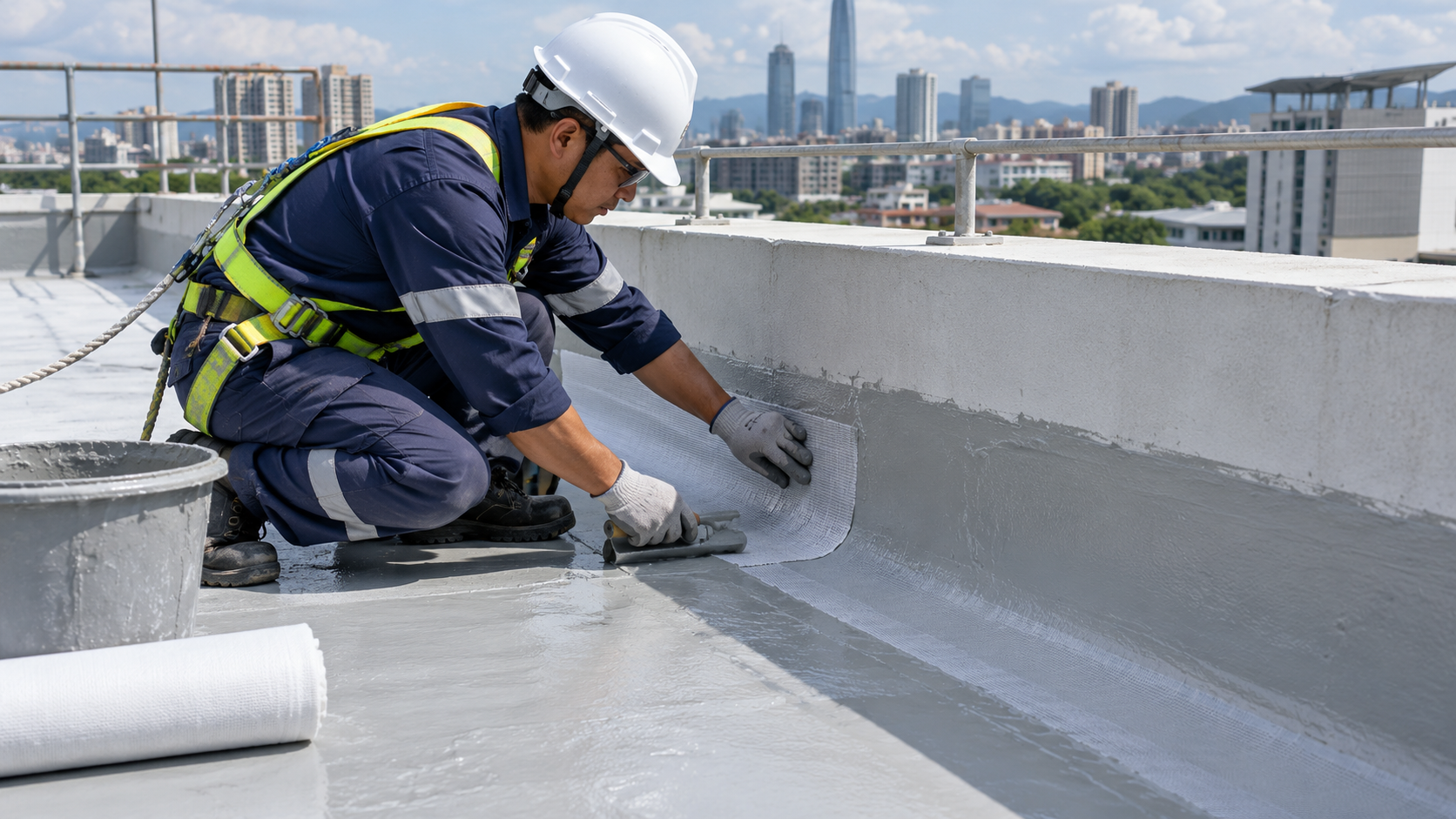
Parapet wall junctions, internal corners, rainwater outlets, pipe penetrations, expansion joints, equipment bases and old membrane terminations require careful preparation and treatment. These locations experience movement, water concentration or difficult access. If they are not included clearly in the quotation, the price may look attractive but the risk remains.
For example, a roof outlet surrounded by ponding water may need surface correction or improved drainage detailing before waterproofing. A pipe penetration may need sealant removal, substrate cleaning, reinforcement and proper termination. A parapet with cracks or peeling wall coating may require wall treatment as part of the waterproofing scope, especially where wind-driven rain reaches the vertical surface.
In Kota Kinabalu, many commercial buildings also have rooftop services added over time. Each added pipe, bracket, cable tray or equipment support creates another waterproofing detail. More details mean more labour time, more material reinforcement and more inspection attention.
Access, Safety and Business Continuity Are Part of the Price
Commercial roof waterproofing is not priced only by material and labour on the roof. Access and working conditions can significantly affect cost.
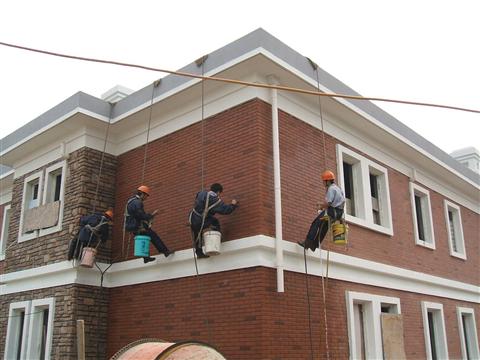
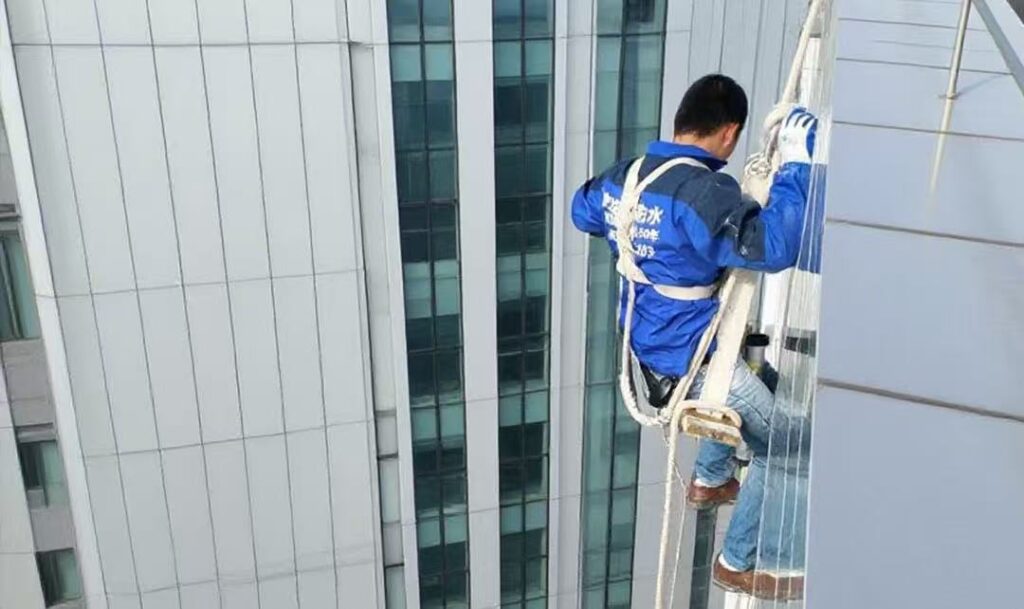
A low-rise shoplot roof with safe stair access is different from a taller building requiring scaffolding, safety equipment, lifting arrangements or controlled work zones. If materials must be carried through occupied commercial areas, work planning becomes more complicated. If the roof is above a retail space, office, hotel, warehouse or food-related operation, noise, odour, dust and working hours may need to be managed.
Weather windows also affect project planning. Waterproofing work generally requires a suitable dry surface and proper curing time. If the contractor must phase the work to keep the premises operational or avoid exposing the roof during uncertain weather, the programme may require additional mobilisation or temporary protection.
For commercial buildings, the practical question is not simply “How much per square foot?” A better question is: what must be included so the waterproofing work can be carried out safely, without unnecessary business disruption, and without leaving the highest-risk roof details untreated?
Material Supply, Specification and Warranty Conditions Should Be Compared Carefully
When comparing quotations, the building owner or facility manager should look beyond the final number. Two prices may not include the same system, the same preparation, or the same responsibility.
A useful commercial roof waterproofing quotation should make clear what roof areas are included, what preparation is allowed for, what product or system is proposed, how cracks and joints will be treated, how penetrations and outlets will be detailed, and what limitations apply. If there is a warranty, the owner should understand what is covered and what may be excluded, such as structural movement, future drilling, unauthorised modification, poor drainage or damage by other trades.
In Sabah projects, material availability and logistics can also influence timing and cost. A system that requires specific primers, reinforcement fabric, sealants or topcoats should be checked for lead time and compatibility. Factory-direct supply can help with product consistency and technical support, but the actual project requirement still needs to be confirmed against the current product specification and site condition.
QingLong Waterproofing has experience in waterproofing products, material supply and application systems for residential, commercial, industrial and infrastructure projects. For commercial roofs, this combination is useful because the discussion can cover both material suitability and site application requirements.
How to Read a Commercial Roof Waterproofing Quotation
A lower quotation may be suitable if the roof condition is straightforward and the scope is clearly defined. But if the price difference is large, the owner should check what has been excluded before deciding.
Important comparison points include surface preparation, treatment of cracks, number of coats or system build-up, reinforcement at joints, outlet treatment, parapet wall inclusion, access equipment, cleaning, protection of existing services, curing time, and post-work inspection.
The risk with an incomplete quotation is not only that extra costs may appear later. The bigger issue is that the waterproofing work may solve the visible symptom while leaving the original weakness in place. For a commercial property, that can mean recurring tenant complaints, repeated ceiling repairs, damaged stock or unplanned maintenance during business hours.
Price should therefore be judged together with repair logic. A quotation that explains why certain areas are included is usually more useful than one that only gives a lump sum and a product name.
 Conslusion
The price of Kota Kinabalu commercial roof waterproofing depends on what the roof is asking the system to do. A sound, accessible roof with limited defects can often be treated more directly. A roof with ponding water, weak substrate, many penetrations, old coatings or business-hour restrictions needs a more detailed scope. Before approving the work, make sure the quotation reflects the real failure points, not only the visible leak.
If you need help reviewing a commercial roof condition or selecting a suitable waterproofing approach, you can contact QingLong Waterproofing for project-specific advice.